
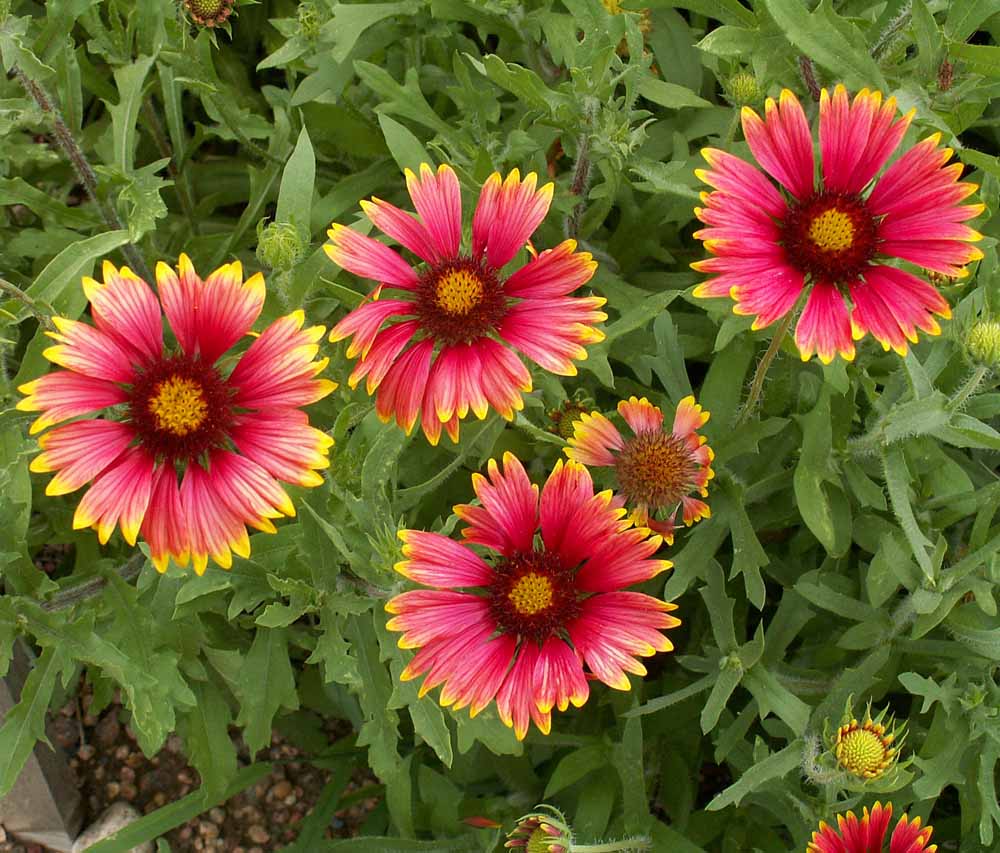
Well adapted native annual wildflower to the plains states. Blooms first year into late summer.
| Grow Height | Bloom Period | Growing Regions | Planting Rate Acre |
Bloom Color |
| 1½-2′ | May-Sept | all | 10 PLS | Red/Yellow |
| Weight | 1 lbs |
|---|---|
| Dimensions | 6 × 6 × 6 in |
Be the first to review “Indian Blanket/ Firewheel”
You must be logged in to post a review.
Related products
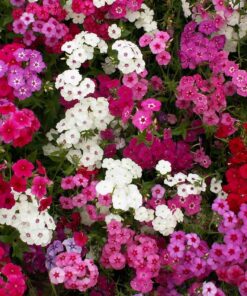
Short, bushy, long blooming annual which reseeds readily and is easily grown.
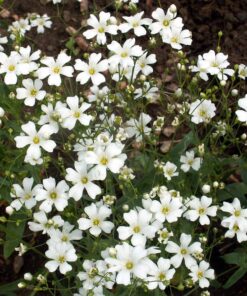
Introduced to America from Europe. Short lived and Hardy annual. Flowers are white forming dense delicate clusters. Prefers full sun in drained soils.

Produces a mixture of annual and perennial plants. Recommended planting fall and winter. Colors produced will depend on plants that can establish in your soils but includes blue, yellow, and reds mainly.
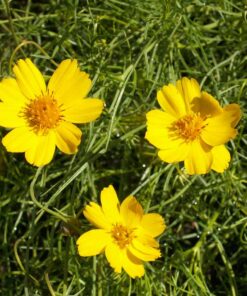
Native to Texas and many or the plains and mountain states. Often found growing in shallow soils, preferring disturbed sites in dry, sandy or gravelly soil with a neutral PH.
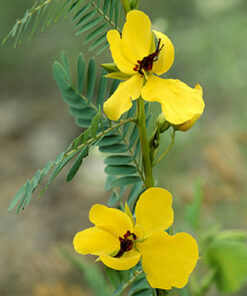
Warm season native perennial that is a member of the legume family. Plant is attractive to bees, butterflies, and/or birds.

Large, bright flowers that is a popular flower. Use in wildflowers or ground cover mixtures. Fast growing. Red and mixed colors available.
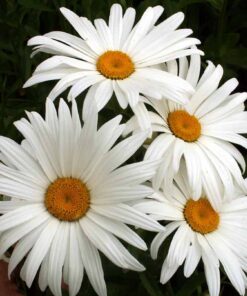
Full sun or part shade. Useful ground cover. Flowers are up to 4" across. This perennial is a substitute for Common Daisy.
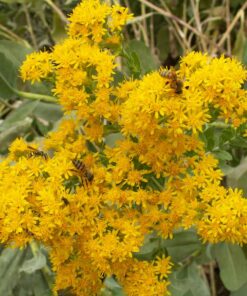
Stiff goldenrod occurs in open woods, glades, thickets and prairies. Features tiny, bright yellow, daisy like flowers in dense, erect, flat-topped terminal clusters.
Reviews
There are no reviews yet.