
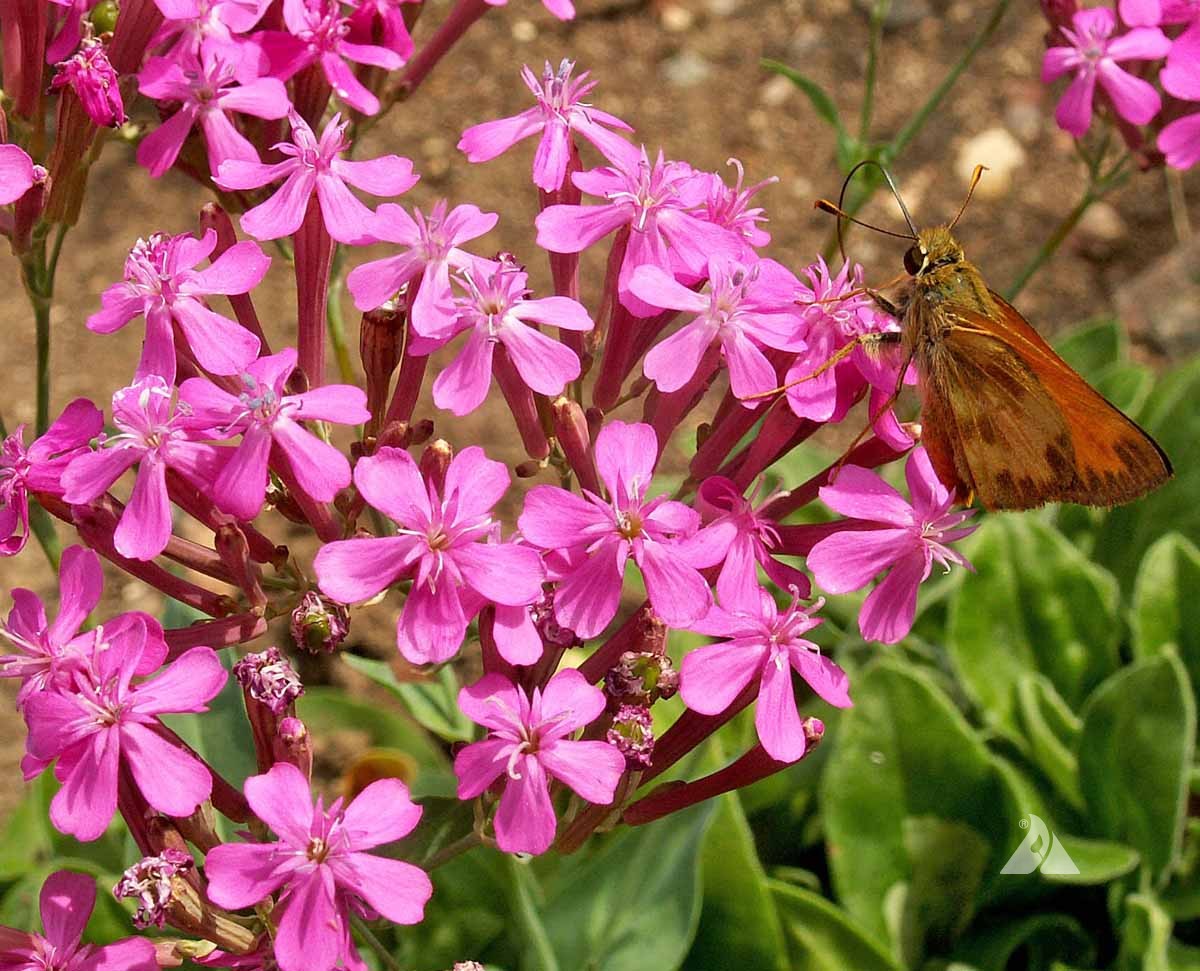
Annual or Biennial. Does well in full sun with partial shade in hot climates. Adapts to wide range of soil types.
| Grow Height | Bloom Period | Growing Regions | Planting Rate Acre |
Bloom Color |
| 16-22″ | May-Aug | All | 1 lb. | Pink |
| Weight | 1 lbs |
|---|---|
| Dimensions | 10 × 10 × 10 in |
Related products
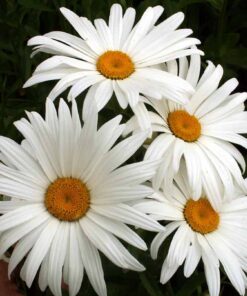
Full sun or part shade. Useful ground cover. Flowers are up to 4" across. This perennial is a substitute for Common Daisy.

Attractive to butterflies, Ox-eye Sunflowers are fairly tolerant of drought and partially shady conditions but prefer full sun and moist, well-draining soil conditions.

Daisy-like flower. Very low maintenance. Well adapted. Perennial. This is one of the major wildflowers found in meadows and native to most of North America.
Used in food plots for birds, erosion control, and prairie mixes. Perennial.
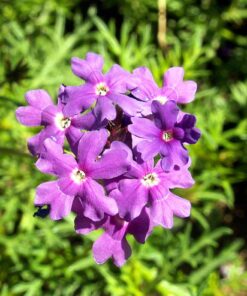
A spreading plant, Moss Verbena is naturalized across the south growing in old fields, waste areas and roadsides.
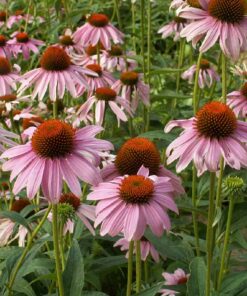
Adapts to many soils. Use in meadow and prairie seed blends. Prefers cool climates.
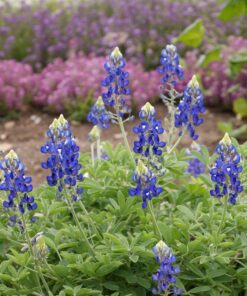
Showy blue and white flowers with some other colors from pink to lavender identified in select locations. Must be planted in the fall for spring blooms.
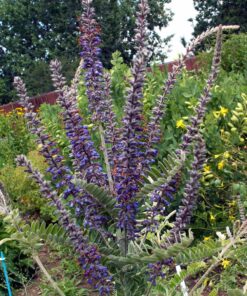
Perennial plant that is a Dicot or easier said a bean. Native from Southern Canada to New Mexico. Likes full sun, dry to medium moisture soils.