
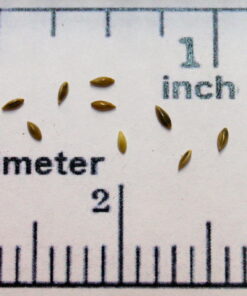
Lowland Native perennial bunch Best adapted to soils such as the following: moderately deep, deep, somewhat dry, poorly drained, sandy, or clay loam.
Upland Native perennial bunch best adapted to moderately deep, deep, somewhat dry, poorly drained, sandy, or clay loam soils.

Good pasture. Not recommended to leave livestock on pasture for extended periods. Has been used as turfgrass. Plant 4-10 lb. per 1000 sqft.
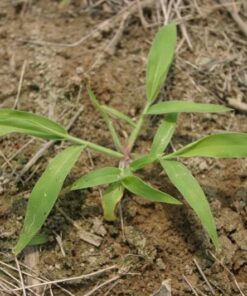
Annual native plant found in all soils in Southern Texas. This grass is reported to produce good forage for livestock, and produces seed commonly consumed by doves and quail.

Native winter grass, good forage, primarily because it is green and succulent during the winter when most other native grasses are dormant.
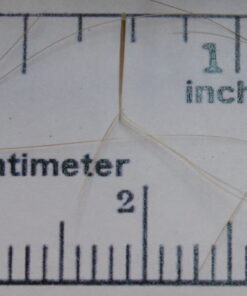
Short-lived, native, perennial, warm season bunchgrass with densely tufted culms found from Canada to Mexico west of the Mississippi River.
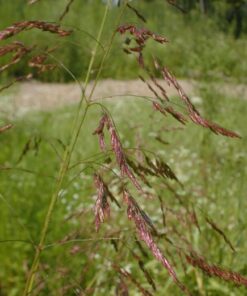
Bunchgrass with erect tufted culms. It is 35 to 75 inches tall. Leaf blades are flat, often less than 1/2 inch wide and 10 to 27 inches long, lax, smooth, and glossy green.
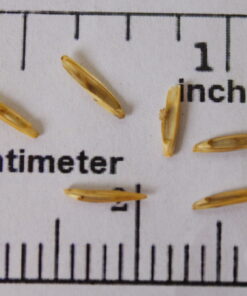
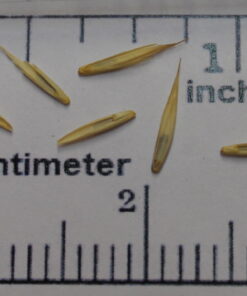
One of the best known and most commonly used native grasses. It is a long-lived, cool season species that has coarse blue- green leaves with prominent veins.
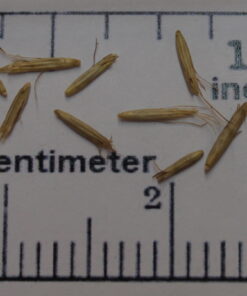
Native, cool season perennial that is short lived. Found on sandy shores and dunes; wooded areas, especially along trails, rivers and streams; and other disturbed sites throughout much of North America.
Native, cool season perennial. Prefers moist soils, high soil fertility, heavier soil textures, and it is shade tolerant. It can be found scattered on shaded banks, along fencerows and in open woodlands.
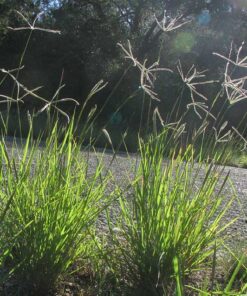
Native, warm season, perennial bunch grass. Because of low productivity, this grass is seldom a key management species.
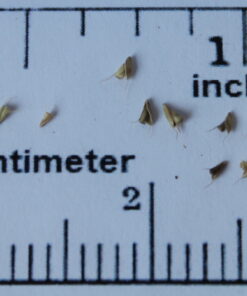
Native. Recommended for roadside, rangeland, and critical site re-vegetation such as waterways, filter strips, pond embankments, and riparian buffers.

Mix of 8 species that is dominant with native grasses. There are introduce species that help to improve speed of stand establishment and compensate for management styles during winter planting.