

Heavy producer. Best in pure stands. Long root system. Old growth not palatable. Weeping lovegrass prefers a light-textured, well-drained soil, and will thrive on soils of low fertility.

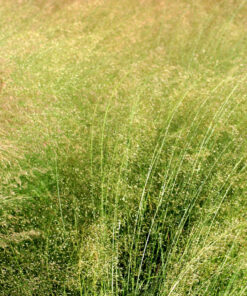
Sandy soils. Highly palatable. A warm-season, short-lived, perennial bunch grass. Occasionally, it is included in range-seeding mixtures for quick cover and forage production.
Introduced fast growing annual, a heavy forage producer. In some areas of the world the small seed is ground for flour.

Introduced bunch grass that is adapted to the southwest. Has a rapid growth. Minimum temperature is 12F and grows in pH 4.5-8 range in coarse to medium soils with low salinity tolerance.

Mixture of Buffalograss and Blue Grama. Selected for there short growth height these natives are very drought tolerant and should require little or no watering.
Mixture of Buffalograss, Blue Grama.and Curly Mesquite selected for there short growth height these natives are very drought tolerant and should require little or no watering.
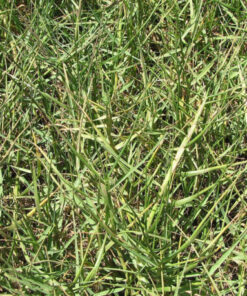
Paspalum is a very salt tolerant plant. Used as a turf grass and will adapt to being used as a golf green or even a rough depending how you manage it. Paspalum is so salt tolerant that it can grow along the sea shorelines and be irrigated with water with some salt levels present. Weed [...]

Mix of 10 species that is dominant with native grasses. There are 2 introduce species that help to improve speed of stand establishment and compensate for management styles that will not allow the natives to persist.

Mix of 10 species that is dominant with native grasses. There are introduce species that help to improve speed of stand establishment and compensate for management styles during winter planting.

South American cool season tufted bunchgrass. Growth begins in late fall and continues through the winter.

Mixture of perennial, annual plants that are native and non-native selected for diverse adaptability. Mixture changes for year round planting.
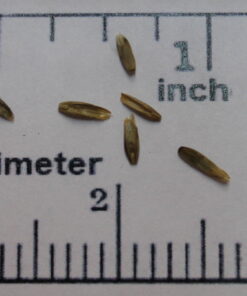
Cool-season grazer. Overseed warm-season grasses pasture or turfgrass. When used in turfgrass plant 2-10 lb. per 1000 sqft.

Improvement over annual for grazing, especially in rust prone areas (high rainfall).
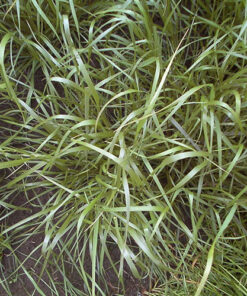
Largest use is turfgrass. Used to overseed warm season turf. In adaptable regions plant 2-10 lb. per 1000 sqft.
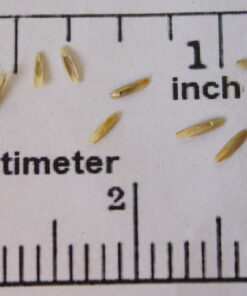
Largest use is turfgrass. Used to overseed warm season turf or as primary turfgrass. In adaptable regions plant 2-10 lb. per 1000 sqft.
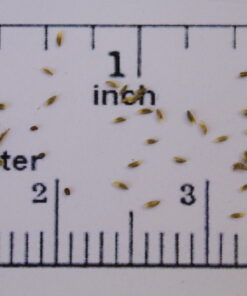
Coarse perennial bunch grass with numerous erect, firm, tough stems. Alkali grows in the plains states west on dry sandy or gravelly slopes and along saline or alkaline flats.

Mixture of perennial, annual plants that are native and non-native selected for diverse adaptability. Mixture changes for year round planting.

Mixture of perennial, annual plants that are native and non-native selected for diverse adaptability. Mixture changes for year round planting.
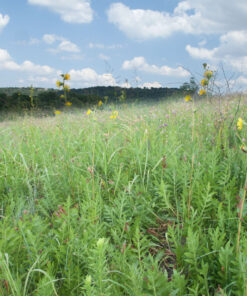
Mix of 17 species that is dominant with native grasses and wildflowers. This mix is to copy what was native to the Blacklands of Texas and includes wildflowers.
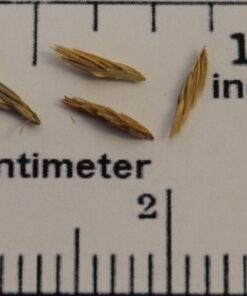
Good all-around range grass, especially in shallow soils. This is the largest and coarsest of the grama grasses
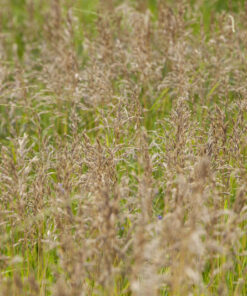
Leafy, sod-forming, perennial, cool-season grass that spreads by rhizomes. This species is both native and introduced.
Mix of 9 species that is dominant with native grasses. There are 2 introduce species that help to improve speed of stand establishment and compensate for management styles that will not allow the natives to persist.