
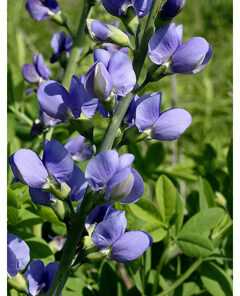
Rising 2-4 ft. high from a woody base, blue wild indigo is a bushy, robust perennial. Flowers are blue-purple and pea-like, congested in dense, upright, terminal spikes, 4-16 in. long. Leaves are divided into three leaflets. In late fall the plant turns silvery-gray, sometimes breaking off at ground level and tumbling about in the wind. [...]
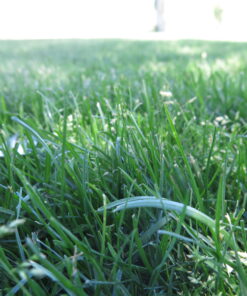
Turf grass that is used in cool climates. It is a perennial plant but our heat in Texas makes it act as annual. It’s not uncommon to find heavily irrigated Kentucky bluegrass growing in the sun-backed lawns of the West and Southwest. Justin Seed recommends this as an option to those who are putting a [...]

A native, warm-season, short-lived perennial bunchgrass. The height is between 2 to 3 feet. The leaf blade is 2 to 8 inches long. The stems are round at the base, but sometimes branching at nodes.
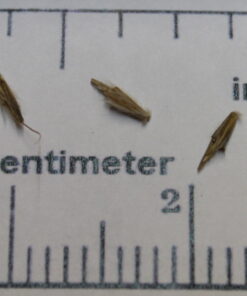
Excellent forage grass for grazing or hay, but can easily be killed by over grazing. It can provide good cover for wildlife.
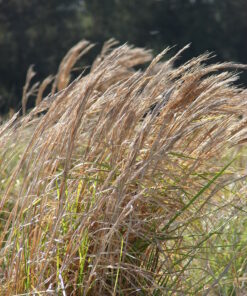
A native warm-season perennial bunchgrass. Broomsedge bluestem produces many seeds on the upper half of the plant that are distributed by the wind.
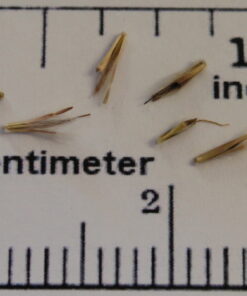
Good drought tolerant native pasture and range grass. The perennial bunch grass grows in late spring and continues throughout the summer providing screening and nesting for wildlife.
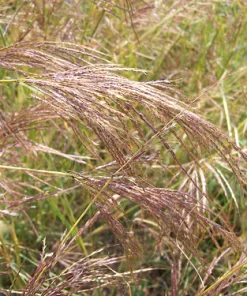
Warm season perennial tufted bunch grass. Originally collected near Manali, India and tested in Oklahoma and Texas.
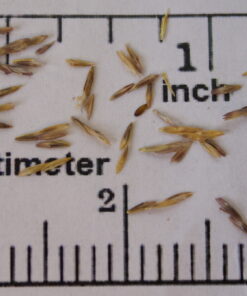
Warm season perennial tufted bunch grass. Used for grazing and erosion control. Broad, natural geographic distribution with wide variation in types of plants.

Old World is a leafy and nutritious forage which can be grazed by livestock or harvested as hay. Growth begins late in the spring and continues through the summer.
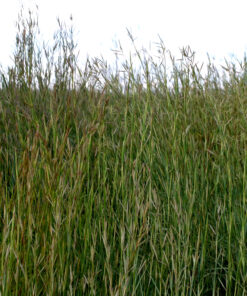
Native, perennial, warm-season, tall grass species that spreads by seed and elongated creeping, scaly rhizomes. It is commonly found on loamy or sandy textured soils. It forms a sod with its well-developed rhizomes and often forms dense colonies of 15 to 20 feet in diameter. This medium stature species produces seed from August to October [...]
Typically occurs in upland sites on sandy soils in open pastures, borders of woods, and cut woodland pastures. Appearance is similar to Little Bluestem but with split seed head (inflorescence).
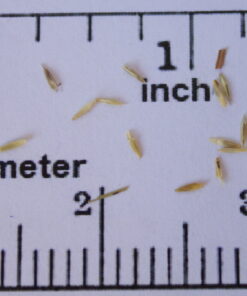
Good range grasses. Used for grazing and erosion control. Broad, natural geographic distribution with wide variation in types of plants.
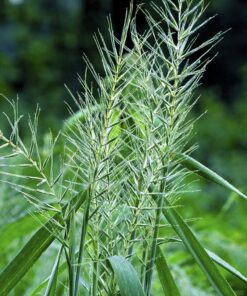
This perennial grass has greenish-brown, bristly spikelets in several to many clusters along a terminal spike atop an erect smooth stem.
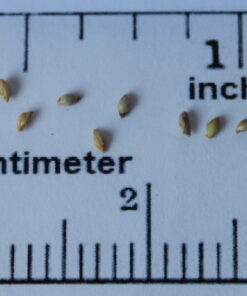
Found on open, dry ground, in dry woods, and on well drained soils along gullies, stream courses, and other areas, occasionally, with abundant moisture.
Grows best in a cool, moist climate, such as is found in parts of the Northeast. Although buckwheat can grow under a fairly wide range of conditions, it is quite sensitive to climatic extremes.

Good pasture and Turfgrass. Short grower--6" to 1'. Very drought resistant requiring very low maintenance as a turfgrass. Buffalograss is a dominant short prairie grass frequently found in overgrazed pastures.
Recommended for use in parks and playgrounds, golf course roughs, commercial and residential lawns, erosion control, pastures and highway right-of-ways. Short grower--6" to 1'.
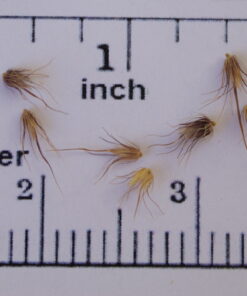
Fairly large, ragged bunchgrass that was introduced from Africa for cattle forage.
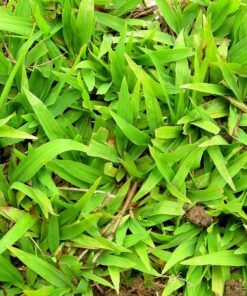
Warm season perennial that does well on moist, but well-drained, soils. It is a dense turfgrass. Can crowd out weeds and bermudagrass.
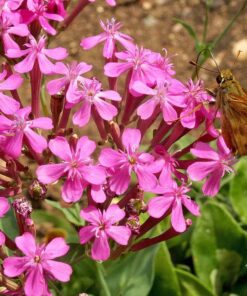
Annual or Biennial. Does well in full sun with partial shade in hot climates. Adapts to wide range of soil types.
Centipedegrass is moderately shade tolerant, but grows best in full sunlight. Justin Seed is located in an area with soil pH above 8 and does not recommend Centipedegrass for our area.
European native that is similar to curly endive. Somewhat woody, perennial herbaceous plant of the dandelion family Asteraceae. Has many uses for human and animal consumption using the seeds, leaves and roots.
Food crop in ancient Egypt and is cultivated today. In the United States it is used for wildlife habitat improvement, particularly as a winter food source for deer and wild turkeys, but is also planted for hogs and waterfowl.
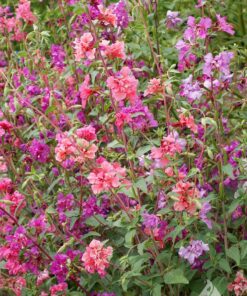
Native to California. This annual needs full sun with partial shade. Grows in mixed colors with shades of pink, white and purple.
Featured Items

Introducing Nutri-Vet®’s functional dog biscuit treats line with more wellness in every crunchy bite than any other leading brand*. Supplementing your dog’s health has never been easier. Make health a treat with Nutri-Vet! *Based on internal analysis of Glucosamine mg/biscuit.
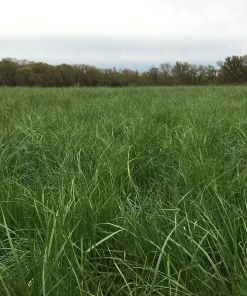
Originates from the Mediterranean region of southern Europe and North Africa and are often referred to as Mediterranean or summer-dormant types. These summer-dormant fescues basically cease growth during summer in response to long days, high temperatures, and dry conditions. In western regions of Oklahoma and Texas, the Mediterranean summer-dormant fescues offer promise of cool-season production [...]

Kow Choice Sweet III is a product of Justin Seed Co. with in house packaging and controls to assure quality.
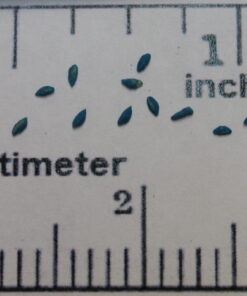
Deep green in color, carpet like density, good cold, drought and traffic tolerant. Blackjack may be used on all premium turf applications such as golf course fairways, roughs, sports fields and home lawns.