


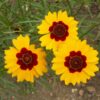
Adapts to many soils. Use in meadow and prairie seed blends. Prefers cool climates.
| Grow Height | Bloom Period | Growing Regions | Planting Rate Acre |
Bloom Color |
| 2-3′ | Jun-Oct | cool & moist areas | 12 PLS | Purple |
| Weight | 1 lbs |
|---|
Be the first to review “Coneflower, Purple”
You must be logged in to post a review.
Related products

Large, bright flowers that is a popular flower. Use in wildflowers or ground cover mixtures. Fast growing. Red and mixed colors available.

Daisy-like flower. Very low maintenance. Well adapted. Perennial. This is one of the major wildflowers found in meadows and native to most of North America.
Produces a mixture of annual and perennial plants. Recommended planting fall and winter. Colors produced will depend on plants that can establish in your soils.

Produces a mixture of annual and perennial plants. Recommended planting fall and winter. Colors produced will depend on plants that can establish in your soils but includes blue, yellow, and reds mainly.
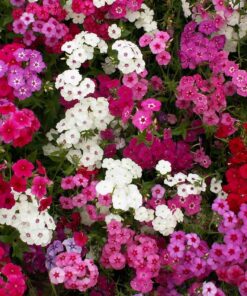
Short, bushy, long blooming annual which reseeds readily and is easily grown.
Used in food plots for birds, erosion control, and prairie mixes. Perennial.
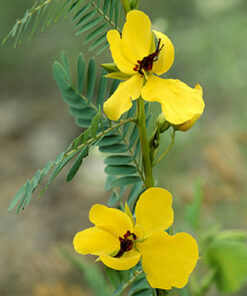
Warm season native perennial that is a member of the legume family. Plant is attractive to bees, butterflies, and/or birds.
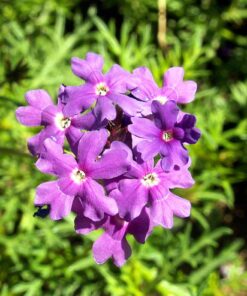
A spreading plant, Moss Verbena is naturalized across the south growing in old fields, waste areas and roadsides.
Reviews
There are no reviews yet.