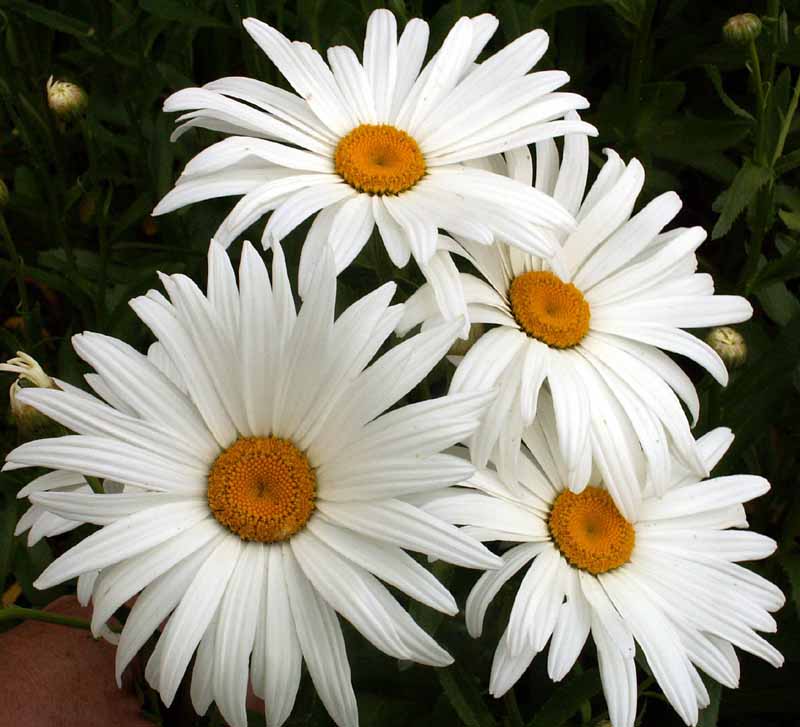
Full sun or part shade. Useful ground cover. Flowers are up to 4″ across. This perennial is a substitute for Common Daisy.
| Grow Height | Bloom Period | Growing Regions | Planting Rate Acre |
Bloom Color |
| 1-3′ | June-July | all | 5 PLS | White, Yellow centers |
| Weight | 1 lbs |
|---|
Be the first to review “Daisy, Shasta”
You must be logged in to post a review.
Related products

Produces a mixture of annual and perennial plants. Recommended planting fall and winter. Colors produced will depend on plants that can establish in your soils but includes blue, yellow, and reds mainly.

Native, cool-season perennial which can grow up to three feet tall. The plant produces a basal rosette of leaves that can grow eight inches long.
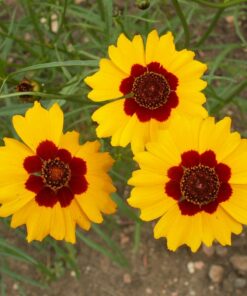
Native to Central Great Plains and Southern Midwest, found on low-lying sites or ditches. Full sun. Has a long bloom season and is one of the best native annual wildflowers.
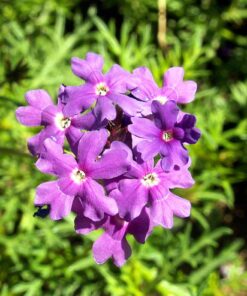
A spreading plant, Moss Verbena is naturalized across the south growing in old fields, waste areas and roadsides.
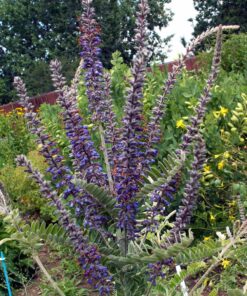
Perennial plant that is a Dicot or easier said a bean. Native from Southern Canada to New Mexico. Likes full sun, dry to medium moisture soils.

Ground cover native to Southern Midwest. Drought tolerant. Flowers its 2nd year. Hardy perennial.
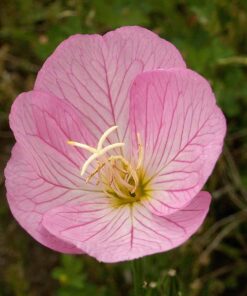
Sprawling or semi-prostrate perennial with very showy flowers. Grows in various soils in the Texas hill country.
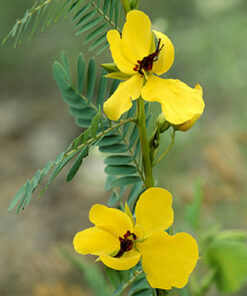
Warm season native perennial that is a member of the legume family. Plant is attractive to bees, butterflies, and/or birds.
Reviews
There are no reviews yet.