
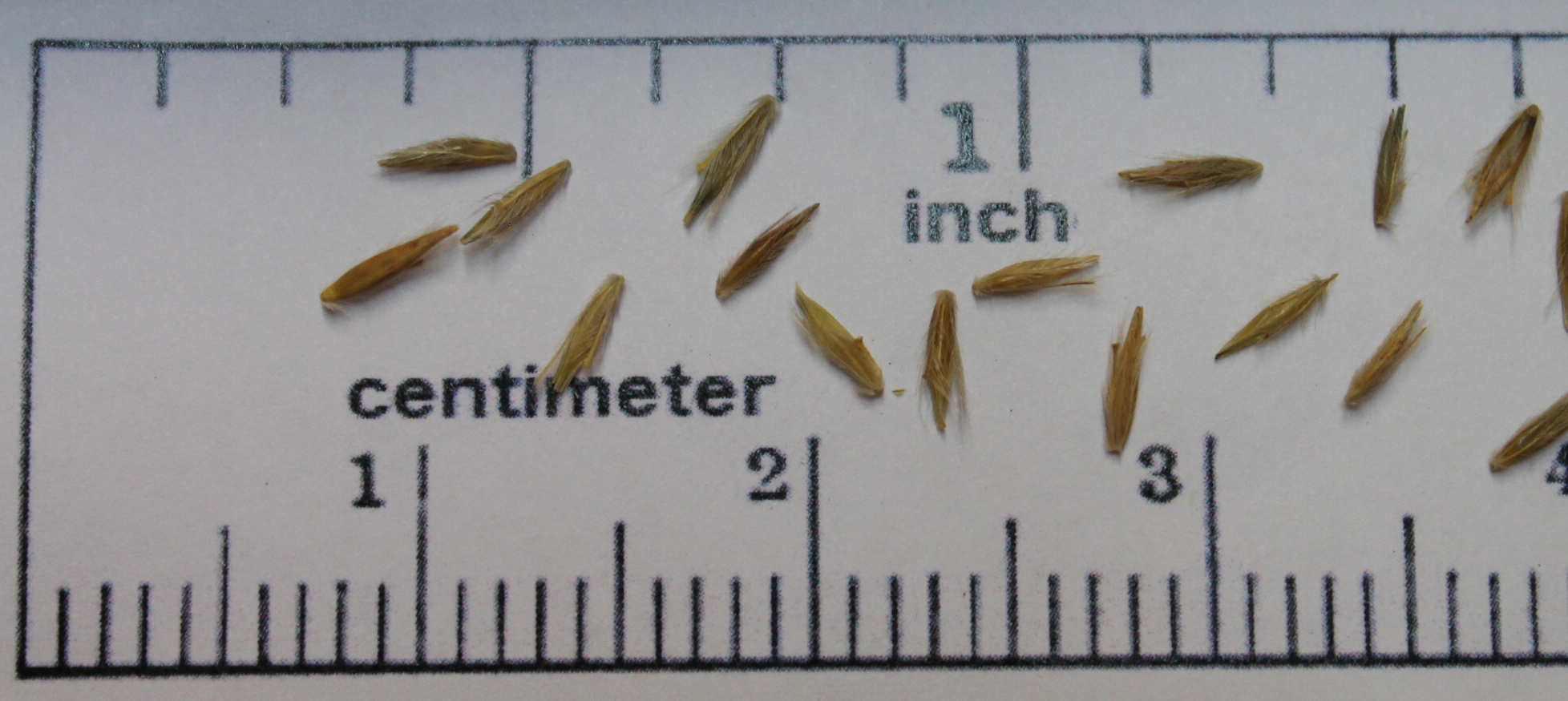
Native. Top range and pasture grass. One of the Big 4 Prairie Grasses. Varieties: Cheyenne, and Lometa. It is a major component of the tall grass vegetation which dominated the prairies of the central and eastern United States. It grows well in deep, well-drained floodplain soils and in well-drained upland sandy loam soils. It is tolerant of poor and well-drained soils, acid to alkaline conditions, and textures from sand to clay.
Alternate Names
Indian grass and yellow indiangrass
Uses
Erosion control: Critical areas, roadside cover and areas subject to wind erosion
Livestock: Indiangrass growing singly, or in mixtures with other native grasses, provide livestock forage on rangeland, pastureland, and hay land. Forage quality is high when green and fair when mature.
Pollinators: Indiangrass constitutes part of the native plant community in support of pollinators.
Restoration: Indiangrass is used in restoration of native prairie areas and longleaf pine understory sites.
Wildlife: White-tailed deer browse Indiangrass foliage. A mix of Indiangrass and other native warm-season grasses and forbs provide nest, brood and escape cover for bobwhite quail. Indiangrass seed is consumed by birds and small mammals.
| Grow Height | Cold Tolerance | Minimum Rainfall |
Planting Rate Acre |
| 3-8′ | High | 16” | 4-6 Pls. |
| Weight | 1 lbs |
|---|---|
| Dimensions | 6 × 6 × 6 in |
Be the first to review “Indiangrass”
You must be logged in to post a review.
Related products
Short growing native that has stolons much like buffalo grass. Pale green in color and not a vigorous competitor. Grows in a wide variety of soils.
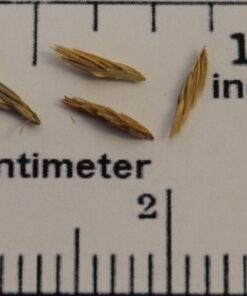

Native winter grass, good forage, primarily because it is green and succulent during the winter when most other native grasses are dormant.
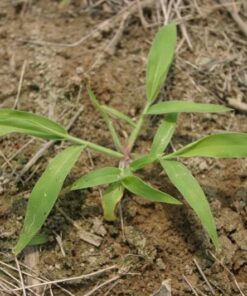
Annual native plant found in all soils in Southern Texas. This grass is reported to produce good forage for livestock, and produces seed commonly consumed by doves and quail.
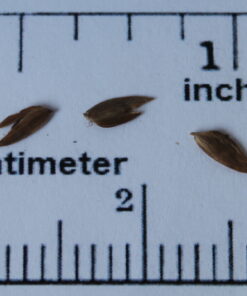
Native bunch grass that spread by short rhizomes and good root depth. Shade tolerant.
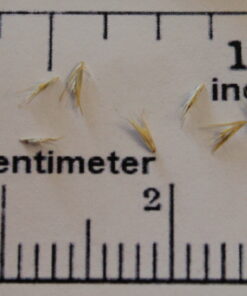
Drought resistant plant. Highly adaptable to dryer areas. Also tolerates soil conditions from fair salinity to moderate alkalinity. A highly palatable grass.
Typically occurs in upland sites on sandy soils in open pastures, borders of woods, and cut woodland pastures. Appearance is similar to Little Bluestem but with split seed head (inflorescence).
Good drought tolerant native pasture and range grass. The perennial bunch grass grows in late spring and continues throughout the summer providing screening and nesting for wildlife.
Reviews
There are no reviews yet.