

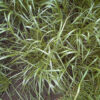
Good hay, grazing with management. Do not over graze – Prussic Acid Poison.
| Grow Height |
Cold Tolerance |
Minimum |
Planting Rate |
|
3-8′ |
Good |
18″ |
20-25 lb. |
| Weight | 1 lbs |
|---|
Be the first to review “Johnsongrass”
You must be logged in to post a review.
Related products

Forage bermudagrass with wide, soft leaves. It shows rapid establishment from seed and aggressive spreading from stolons and rhizomes. Chilly Verde has persisted through cold winters in North Carolina, where it was developed, and has excellent heat and drought tolerance.

Blend of Giant, Chilly Verde and Jacob Bermuda grass. This mixture was put together in 2002 to help improve the forage production of straight Giant Bermuda grass.
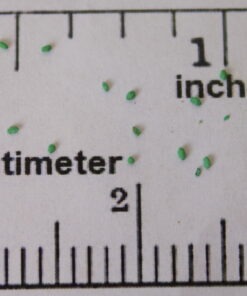
Blend of three top performing turf grass varieties: Sultan, Sydney and Mohawk. All three varieties have increased turf density for excellent wear tolerance, dark green color and medium to medium fine leaf texture.

Good all-around warm season grass for turf, pasture and erosion control. Low growing, disease and insect resistant that once established, it is drought, heat and salt tolerant and will withstand a lot of abuse.

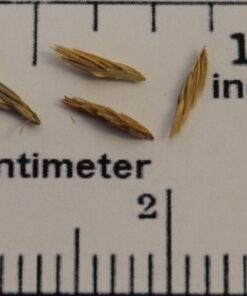
Barnyardgrass is a summer annual grass that germinates from late winter or early spring to through the summer.

Improvement over annual for grazing, especially in rust prone areas (high rainfall).
Reviews
There are no reviews yet.