
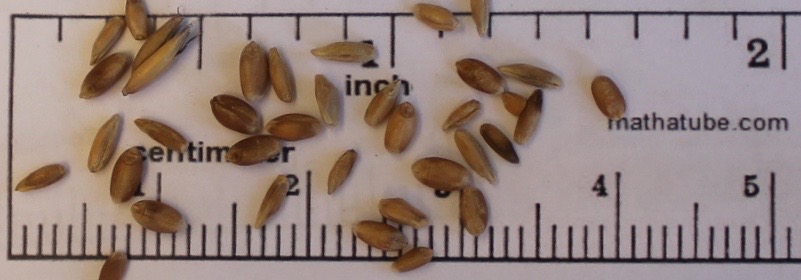

Our Pasture mix is a blend of Wheat and Rye. The addition of Rye provides earlier forage and more forage potential during the colder growing period.
| Planting Time | Planting Depth | Planting Rate |
| Late summer or early fall. | 1-2″ | Drilled 60-120 lb. |
| Weight | 50 lbs |
|---|---|
| Dimensions | 29 × 17 × 7 in |
Be the first to review “Pasture Mix (Wheat and Rye)”
You must be logged in to post a review.
Related products

Unique cool-season annual legume native to the northeastern Mediterranean region and becoming widely used in North America and other parts of the world. Balansa can be used for grazing, hay, cover cropping, and wildlife feed.
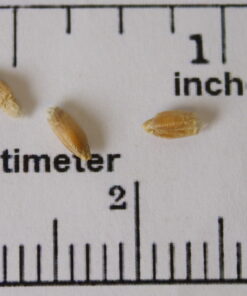
Triticale is a man made plant by crossing Cereal Rye with Wheat. It contains many of the attributes of wheat and rye due to this fact. However, there is no real use for the grain and its use is limited to forage purposes for livestock.

Introduced winter annual and herbaceous legume. The leaves and stems of crimson clover resemble those of red clover, but the leaves are round-tipped with more hair on the stems and leaves.
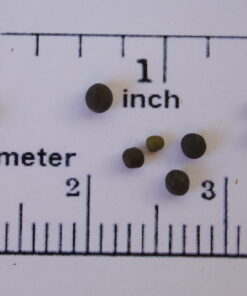
Europe native legume that is grown as a forage, cover crop, and green manure. It may be annual or biennial. It has a shallow root system.

Bob oats are public release of oats and is considered a Red Winter Oat or a Red Rustproof oat compared with oats from the 1865's.

Cool-season annual vine that is smooth and has a bluish-green waxy appearance. Vines can be up to 9 ft. long, however modern cultivars have shorter vines, about 2 ft. long.
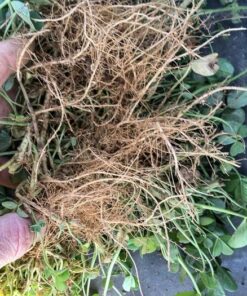
New long-lasting white clover that promises great performance for years to come. Renovation was bred for maximum stolon density, longer life, and greater animal performance.
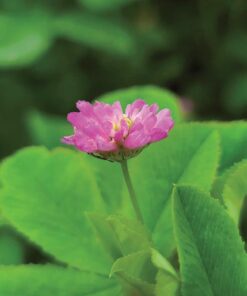
eNhance Persian Clover (Trifolium resupinatum) is an annual legume that originated in the eastern Mediterranean area. It has a semi-upright growth habit. The leaves are oval in shape with serrated margins. Persian clover will perform well on a wide range of soils and will tolerate poorly drained soils. Persian clover works well in grazing situations, [...]
Reviews
There are no reviews yet.