
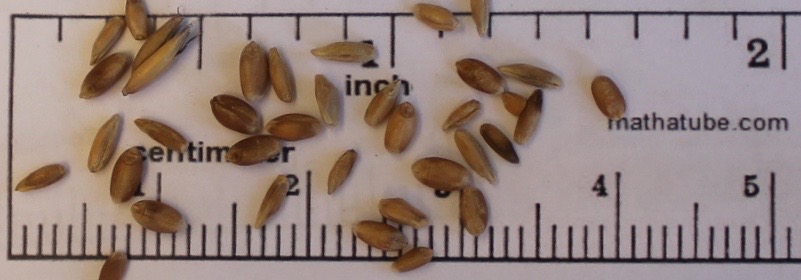

Our Pasture mix is a blend of Wheat and Rye. The addition of Rye provides earlier forage and more forage potential during the colder growing period.
| Planting Time | Planting Depth | Planting Rate |
| Late summer or early fall. | 1-2″ | Drilled 60-120 lb. |
| Weight | 50 lbs |
|---|---|
| Dimensions | 29 × 17 × 7 in |
Be the first to review “Pasture Mix (Wheat and Rye)”
You must be logged in to post a review.
Related products

Beardless variety good for grazing and bailing. Widely adapted workhorse variety that has been used for years west of I35 in Texas.

Introduced winter annual and herbaceous legume. The leaves and stems of crimson clover resemble those of red clover, but the leaves are round-tipped with more hair on the stems and leaves.
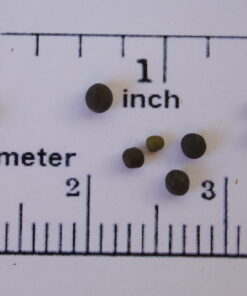
Europe native legume that is grown as a forage, cover crop, and green manure. It may be annual or biennial. It has a shallow root system.
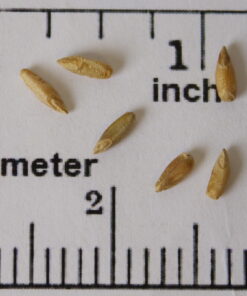
VNS Rye is a variety not stated cereal rye. Normally this indicates an Northern Cereal Rye which produces less forage than the Southern types. Do not confuse with ryegrass or southern cereal rye.
An upright, cool-season, reseeding annual legume originating from Euraia that grows to a height of 40 to 50 inches under good conditions. Seeds germinate in the fall, but grow slowly during the winter.

Mixture of Wheat, Oats, Rye, Winter Peas, and Turnips. For best results plant late summer through fall and incorporate into the soil 1 to 2 inches.
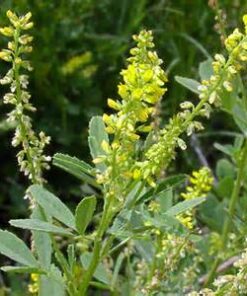
May take 2 years to bloom when planted in spring in Texas. Yellow Blossom, Sweet Clover. Usually mixed in pastures for grazing or oats for hay.

New rust-resistant, a cultivar of white-flowered, annual sweetclover (Melilotus albus Medik.) adapted to the south and central Texas.
Reviews
There are no reviews yet.