

Sunflower, Maximilian
Used in food plots for birds, erosion control, and prairie mixes. Perennial.
Used in food plots for birds, erosion control, and prairie mixes. Perennial.
| Grow Height | Bloom Period | Growing Regions | Planting Rate Acre |
Bloom Color |
| 3-10′ | July-Oct. | 5 PLS | Yellow |
| Weight | 1 lbs |
|---|
Be the first to review “Sunflower, Maximilian”
You must be logged in to post a review.
Related products
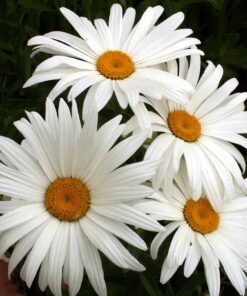
Full sun or part shade. Useful ground cover. Flowers are up to 4" across. This perennial is a substitute for Common Daisy.
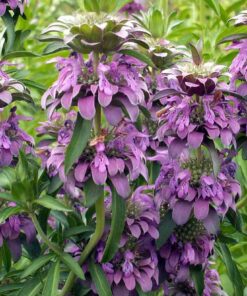
Annual that emits sweet aroma attracting butterflies and hummingbirds. Native to Southern Midwest. Prefers sun and drier soils.
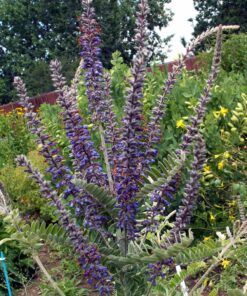
Perennial plant that is a Dicot or easier said a bean. Native from Southern Canada to New Mexico. Likes full sun, dry to medium moisture soils.

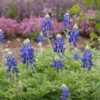
Native to Texas and central U.S. Very hardy and plant that likes dry open prairies. Attractive, showy flowers.
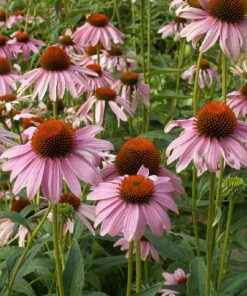
Adapts to many soils. Use in meadow and prairie seed blends. Prefers cool climates.

Native, cool-season perennial which can grow up to three feet tall. The plant produces a basal rosette of leaves that can grow eight inches long.
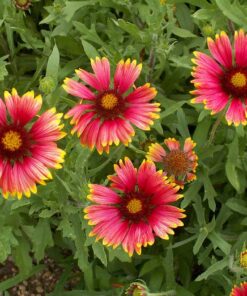
Well adapted native annual wildflower to the plains states. Blooms first year into late summer.
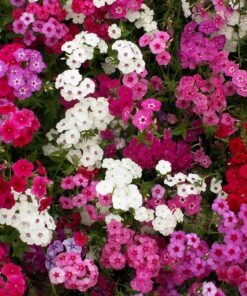
Short, bushy, long blooming annual which reseeds readily and is easily grown.
Reviews
There are no reviews yet.