

Sunflower, Maximilian
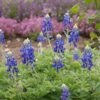
Used in food plots for birds, erosion control, and prairie mixes. Perennial.
Used in food plots for birds, erosion control, and prairie mixes. Perennial.
| Grow Height | Bloom Period | Growing Regions | Planting Rate Acre |
Bloom Color |
| 3-10′ | July-Oct. | 5 PLS | Yellow |
| Weight | 1 lbs |
|---|
Be the first to review “Sunflower, Maximilian”
You must be logged in to post a review.
Related products
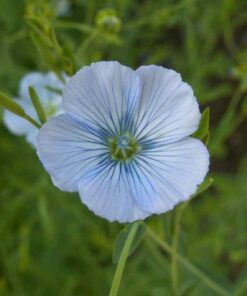
Native to Eurasia, this Flax is an annual and through the centuries has been grown by man kind for its fiber and grain.

Native, cool-season perennial which can grow up to three feet tall. The plant produces a basal rosette of leaves that can grow eight inches long.
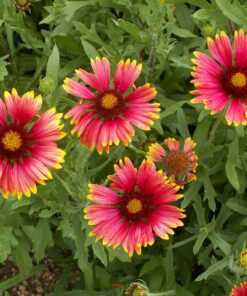
Well adapted native annual wildflower to the plains states. Blooms first year into late summer.
Attractive to butterflies, Ox-eye Sunflowers are fairly tolerant of drought and partially shady conditions but prefer full sun and moist, well-draining soil conditions.
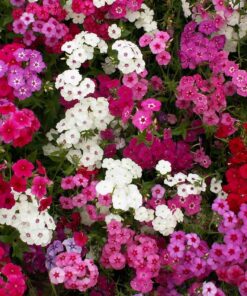
Short, bushy, long blooming annual which reseeds readily and is easily grown.

Ground cover native to Southern Midwest. Drought tolerant. Flowers its 2nd year. Hardy perennial.
This sunflower is Native to Texas and produces flowers and seeds all summer long. Annual plant that comes back year after year from seed.
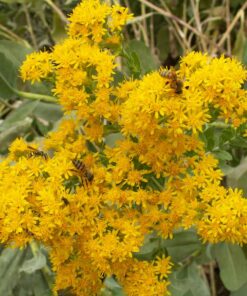
Stiff goldenrod occurs in open woods, glades, thickets and prairies. Features tiny, bright yellow, daisy like flowers in dense, erect, flat-topped terminal clusters.
Reviews
There are no reviews yet.