
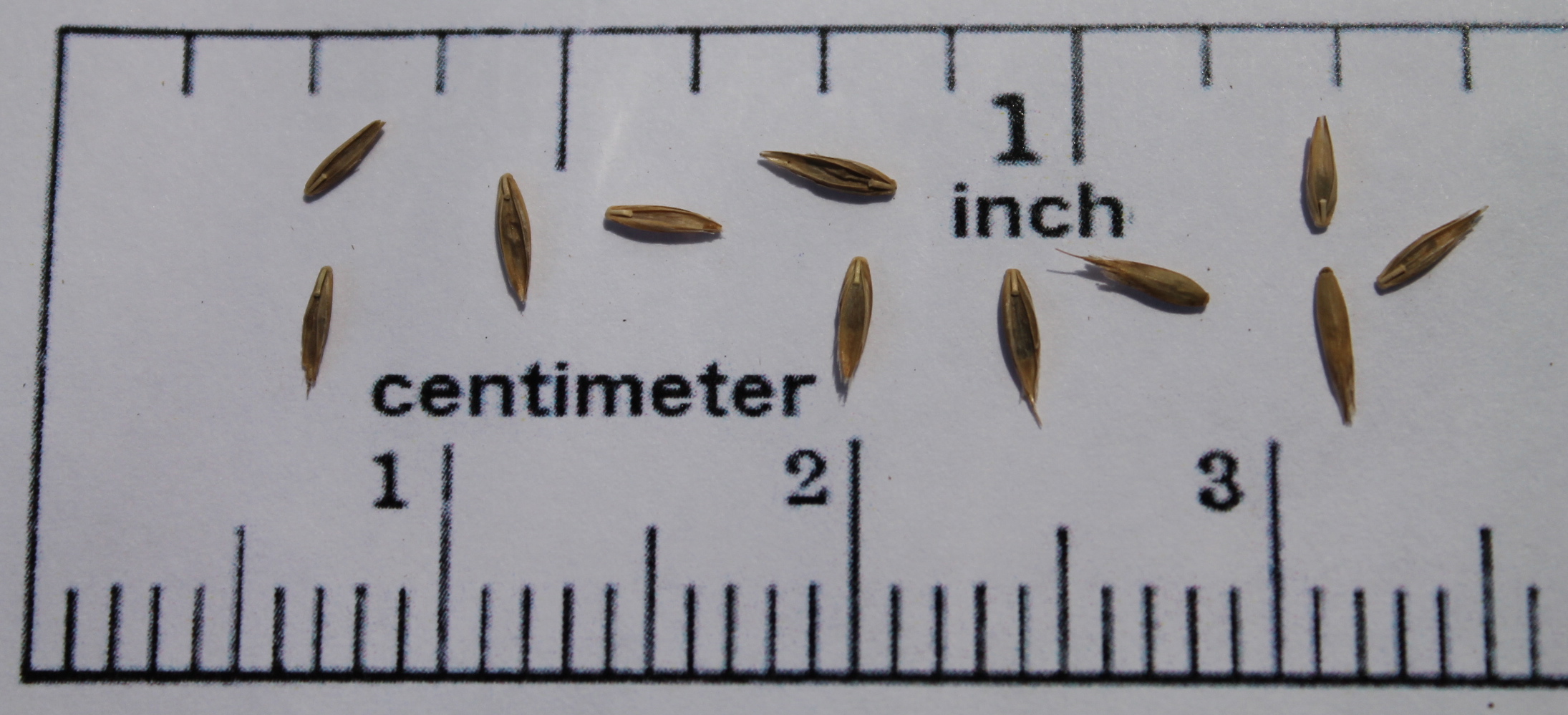
Good pasture. Not recommended to leave livestock on pasture for extended periods. Has been used as turfgrass. Plant 4-10 lb. per 1000 sqft.
| Grow Height | Cold Tolerance | Minimum Rainfall |
Planting Rate Acre |
| 1½-4′ | Fair | 30-40″ | 20-25 lb. |
| Weight | 1 lbs |
|---|---|
| Dimensions | 10 × 10 × 10 in |
Be the first to review “Tall Fescue, Kentucky 31 (pasture mainly)”
You must be logged in to post a review.
Related products
Cool-season grazer. Overseed warm-season grasses pasture or turfgrass. When used in turfgrass plant 2-10 lb. per 1000 sqft.
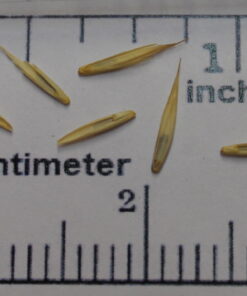
One of the best known and most commonly used native grasses. It is a long-lived, cool season species that has coarse blue- green leaves with prominent veins.

Forage bermudagrass with wide, soft leaves. It shows rapid establishment from seed and aggressive spreading from stolons and rhizomes. Chilly Verde has persisted through cold winters in North Carolina, where it was developed, and has excellent heat and drought tolerance.

Once established, giant bermudagrass is very drought, heat and salt tolerant. Cultural management of giant bermudagrass is much like that of Coastal Bermudagrass, a vegetative pasture bermudagrass.
Cool-season (C3) native perennial bunchgrass. It grows to a height of 18 to 36 inches.
Native, cool season perennial. Prefers moist soils, high soil fertility, heavier soil textures, and it is shade tolerant. It can be found scattered on shaded banks, along fencerows and in open woodlands.

Tropical to subtropical perennial grass with good forage production in low fertile soils. It creeps with stolons and rhizomes, native to South America, naturalized in North America.
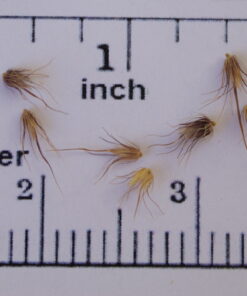
Fairly large, ragged bunchgrass that was introduced from Africa for cattle forage.
Reviews
There are no reviews yet.