

Shallow-rooted clover that is used in grass mixtures for pasture and wildlife. Due to the shallow-roots it likes soils with adequate moisture.
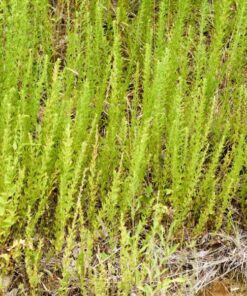
A major forage crop for the southeastern United States. Common, Kobe, and Korean Lespedeza are annuals. Sericea Lespedeza is perennial.

Leafy annual grass that grows 2-4 feet tall producing heavy seed yields. Ideal for wildlife plots in well drained soils.
Fast growing, drought resistant annual grass with slim, vertical, leafy stems that may grow 4-6 feet tall. Makes rich hay and can produce 1-2 tons of forage per acre for hay. Not recommended for horses.
Warm season annual grass that grows 3-5 feet tall and is considered a medium to tall millet. Dove planting should be made at 12-20 lbs. per acre.

Bob oats are public release of oats and is considered a Red Winter Oat or a Red Rustproof oat compared with oats from the 1865's.

Released in 2005 from Texas A&M system this oat has out performed most other small grains for forage yields and when grazed and harvested has returned highest monetary returns.

Our Pasture mix is a blend of Wheat and Oats. The addition of Oats provides higher quality and more desirable forage and more forage than wheat alone.

Our Pasture mix is a blend of Wheat and Rye. The addition of Rye provides earlier forage and more forage potential during the colder growing period.
Piper Sudan is not a Hybrid Sudan. Piper Sudan is an open-pollinated Sudan that is one of the parents of many Hybrid Sudan. The seed looks more like Johnsongrass and the plant grows out better than Johnsongrass but not as well as Hybrid Sudan.

Radishes are a hardy, very easy-to-grow root vegetable that can be planted multiple times in a growing season.

Elbon Rye was developed in Oklahoma and is a Southern type of cereal rye. Cereal Rye is used in gardens and production fields to control nematodes and as a cover crop. Do not confuse with ryegrass or northern cereal rye.
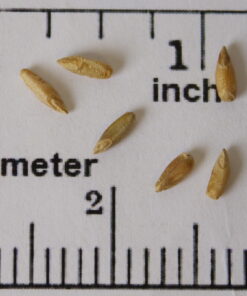
VNS Rye is a variety not stated cereal rye. Normally this indicates an Northern Cereal Rye which produces less forage than the Southern types. Do not confuse with ryegrass or southern cereal rye.

New rust-resistant, a cultivar of white-flowered, annual sweetclover (Melilotus albus Medik.) adapted to the south and central Texas.
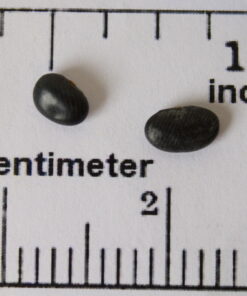
Features: Annual crop that can produce good hay and an excellent wildlife plant for deer and birds. Deer enjoy grazing soybeans through out the growing period and Birds enjoy the fruit.

Photoperiod sensitive plant whose seed head development is determined by the length of day and not the date planted. This feature allows the plant to continue vegetative growth for an extended period.

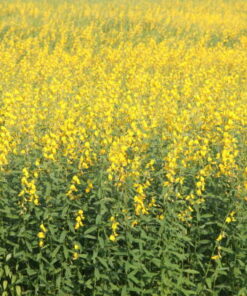
Vigorous growth rate and nitrogen-fixing capabilities, making it an attractive cover crop to build residue, sequester nitrogen, suppress weeds and improve soil health. Sunn hemp is a tropical plant and requires warm soil temperatures germination.
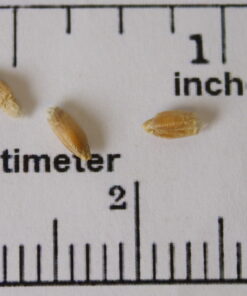
Triticale is a man made plant by crossing Cereal Rye with Wheat. It contains many of the attributes of wheat and rye due to this fact. However, there is no real use for the grain and its use is limited to forage purposes for livestock.

Turnips grow wild is Siberia. They mature in 2 months and may be planted either in the spring, late summer or fall for roost or greens.
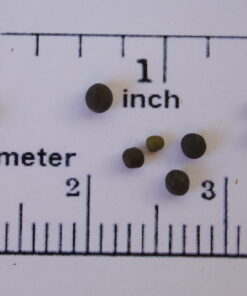
Europe native legume that is grown as a forage, cover crop, and green manure. It may be annual or biennial. It has a shallow root system.

TAM 114 is a hard red winter variety with excellent drought tolerance and top yield potential combined with a superior disease package.
Beardless variety good for grazing and bailing. Widely adapted workhorse variety that has been used for years west of I35 in Texas.

Red winter beardless wheat that is adaptive across the south to be used as a forage wheat. Beardless wheat has little to no awns which allows continued grazing when the seed is setting in late spring.