

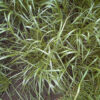
Good hay, grazing with management. Do not over graze – Prussic Acid Poison.
| Grow Height |
Cold Tolerance |
Minimum |
Planting Rate |
|
3-8′ |
Good |
18″ |
20-25 lb. |
| Weight | 1 lbs |
|---|
Be the first to review “Johnsongrass”
You must be logged in to post a review.
Related products

Barnyardgrass is a summer annual grass that germinates from late winter or early spring to through the summer.
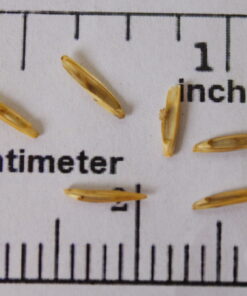


Tropical to subtropical perennial grass with good forage production in low fertile soils. It creeps with stolons and rhizomes, native to South America, naturalized in North America.

South American cool season tufted bunchgrass. Growth begins in late fall and continues through the winter.
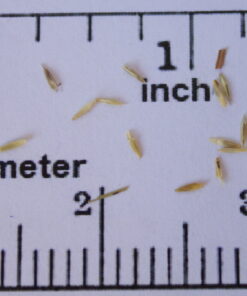
Good range grasses. Used for grazing and erosion control. Broad, natural geographic distribution with wide variation in types of plants.

Good all-around warm season grass for turf, pasture and erosion control. Low growing, disease and insect resistant that once established, it is drought, heat and salt tolerant and will withstand a lot of abuse.

Heavy producer. Best in pure stands. Long root system. Old growth not palatable. Weeping lovegrass prefers a light-textured, well-drained soil, and will thrive on soils of low fertility.
Reviews
There are no reviews yet.