
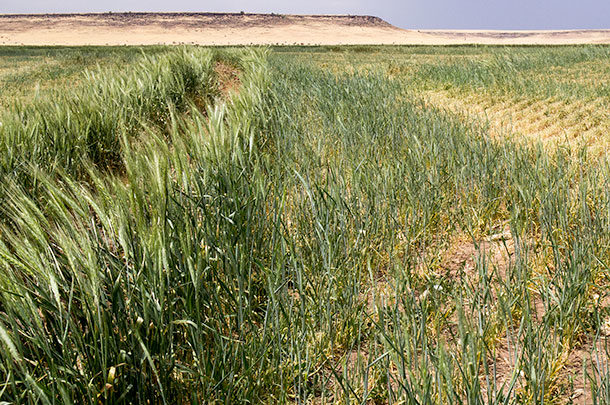
Our Pasture mix is a blend of Wheat and Oats. The addition of Oats provides higher quality and more desirable forage and more forage than wheat alone.
| Planting Time | Planting Depth | Planting Rate |
| Late summer or early fall. | 1-2″ | Drilled 60-120 lb. |
| Weight | 50 lbs |
|---|---|
| Dimensions | 29 × 17 × 7 in |
Be the first to review “Pasture Mix (Wheat and Oats)”
You must be logged in to post a review.
Related products

Cool-season annual vine that is smooth and has a bluish-green waxy appearance. Vines can be up to 9 ft. long, however modern cultivars have shorter vines, about 2 ft. long.

Elbon Rye was developed in Oklahoma and is a Southern type of cereal rye. Cereal Rye is used in gardens and production fields to control nematodes and as a cover crop. Do not confuse with ryegrass or northern cereal rye.

Radishes are a hardy, very easy-to-grow root vegetable that can be planted multiple times in a growing season.

Released in 2005 from Texas A&M system this oat has out performed most other small grains for forage yields and when grazed and harvested has returned highest monetary returns.

Released in 2022, excellent test weight, resistant to rusts, excellent irrigated yields.
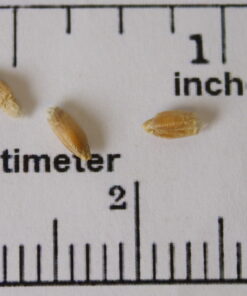
Triticale is a man made plant by crossing Cereal Rye with Wheat. It contains many of the attributes of wheat and rye due to this fact. However, there is no real use for the grain and its use is limited to forage purposes for livestock.

An upright, cool-season, reseeding annual legume originating from Euraia that grows to a height of 40 to 50 inches under good conditions. Seeds germinate in the fall, but grow slowly during the winter.

Turnips grow wild is Siberia. They mature in 2 months and may be planted either in the spring, late summer or fall for roost or greens.
Reviews
There are no reviews yet.