
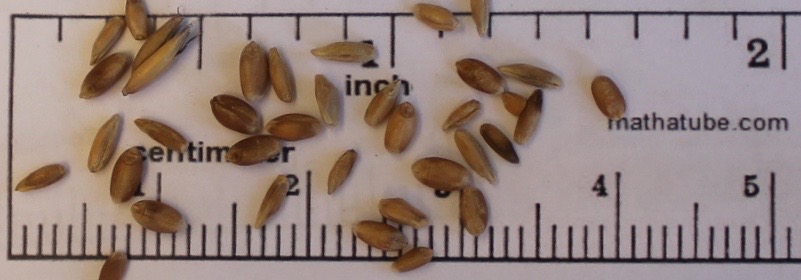

Our Pasture mix is a blend of Wheat and Rye. The addition of Rye provides earlier forage and more forage potential during the colder growing period.
| Planting Time | Planting Depth | Planting Rate |
| Late summer or early fall. | 1-2″ | Drilled 60-120 lb. |
| Weight | 50 lbs |
|---|---|
| Dimensions | 29 × 17 × 7 in |
Be the first to review “Pasture Mix (Wheat and Rye)”
You must be logged in to post a review.
Related products

Red winter beardless wheat that is adaptive across the south to be used as a forage wheat. Beardless wheat has little to no awns which allows continued grazing when the seed is setting in late spring.

Best when planted late summer or early fall and incorporated 1 to 2 inches in the soil. 50 lbs if drilling in poor soils, if broadcasting increase rate by 25%, if in good soils with good moisture drill at 100 lbs.
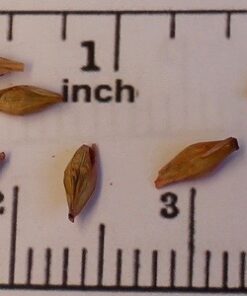
Barley has been grown in many regions. Barley is an excellent grain to feed and produces excellent forage for livestock and wildlife. In many areas there is not a cash market for the grain which has limited its use to mixes for pasture and wildlife.

New rust-resistant, a cultivar of white-flowered, annual sweetclover (Melilotus albus Medik.) adapted to the south and central Texas.
Released in 2022, excellent test weight, resistant to rusts, excellent irrigated yields.
Beardless variety good for grazing and bailing. Widely adapted workhorse variety that has been used for years west of I35 in Texas.

Unique cool-season annual legume native to the northeastern Mediterranean region and becoming widely used in North America and other parts of the world. Balansa can be used for grazing, hay, cover cropping, and wildlife feed.

Cool-season annual vine that is smooth and has a bluish-green waxy appearance. Vines can be up to 9 ft. long, however modern cultivars have shorter vines, about 2 ft. long.
Reviews
There are no reviews yet.